


2025
What to Expect When You Begin Shockwave Therapy After a Sports Injury
Being sidelined by an injury is the ultimate frustration for any active person in Vancouver. Whether you are dealing with a nagging heel pain from running the Seawall or a shoulder issue from the local volleyball league, you just want to get back to your routine. If traditional stretching and rest have failed you, shockwave therapy is likely the next step in your recovery.
This technology uses acoustic sound waves to jumpstart the healing process in chronic, stubborn tissues. It sounds high-tech because it is, but the experience is straightforward and non-invasive. Understanding what to expect during your first few sessions will help you approach your recovery with confidence and clear goals.
What Your First Appointment Looks Like
Your first visit is focused on mapping out the problem. Before the machine even turns on, your practitioner will perform a physical assessment to find the exact origin of your pain. In a sports injury context, this is often a specific spot on a tendon or a deep muscle knot that has become fibrotic and stiff.
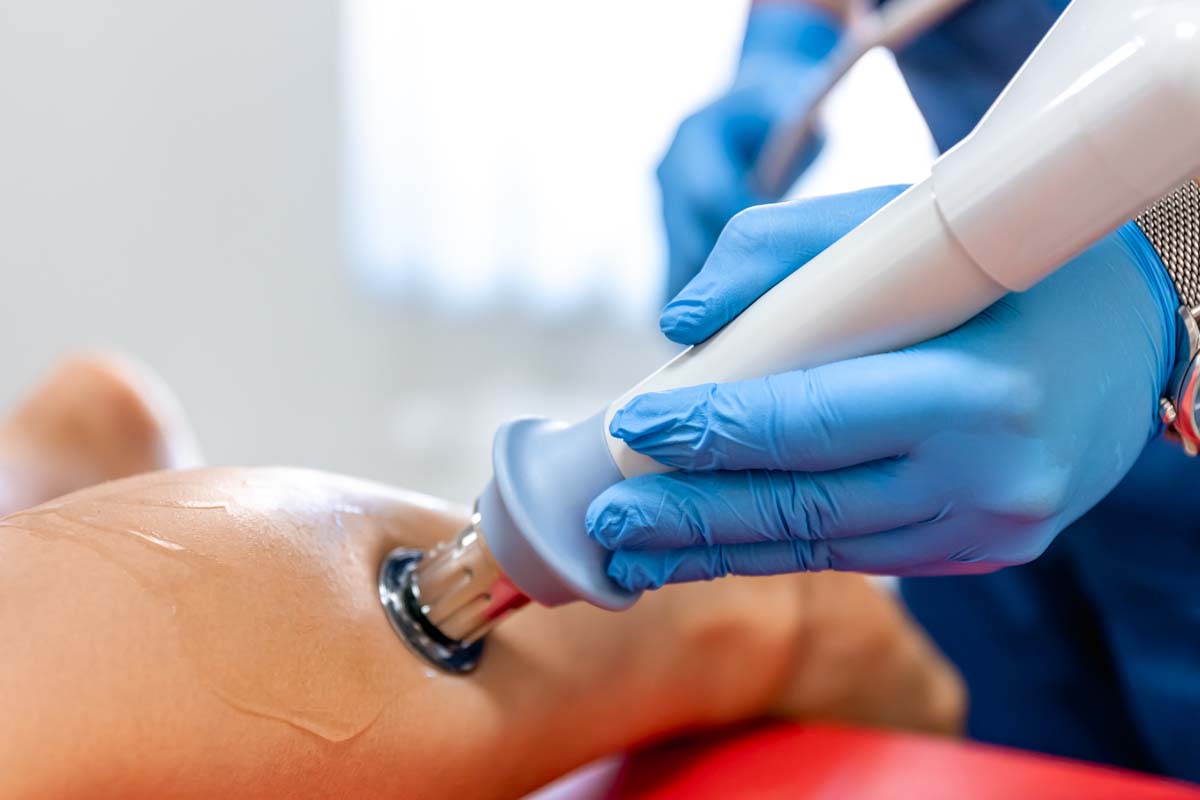
Once the target area is identified, a cooling gel is applied to your skin. This gel acts as a bridge, allowing the sound waves to travel from the device into your body without any interference from the air.
To get the most out of this initial visit, you should come prepared for a professional and efficient process including:
- A brief review of your injury history and previous failed treatments
- Physical palpation to identify the most sensitive areas for targeting
- A test pulse to help you get used to the sensation before the full treatment begins
- The application of conductive gel to ensure maximum energy transfer
The session itself is surprisingly quick, usually lasting between five and ten minutes per area. This makes it a popular choice for busy professionals in Richmond or downtown Vancouver who need to fit their rehab into a lunch break or a gap between meetings.
What the Treatment Actually Feels Like
One of the most common questions people ask is whether shockwave therapy hurts. It is best described as a useful discomfort.
Because the therapy is designed to treat damaged tissue, you will feel a dull, aching sensation as the sound waves hit the target area. Interestingly, when the applicator is moved to healthy tissue, you won't feel much of anything at all. This feedback loop helps your practitioner stay focused on the exact spot that needs the most help.
The intensity of the machine is completely adjustable. Your practitioner will start at a lower level and gradually increase it as your nervous system adapts. Most athletes find that as the session progresses, the area starts to feel slightly numb, which allows for deeper penetration of the sound waves. This is the biological response in action, as the therapy begins to interfere with pain signals almost immediately.
While everyone has a different pain threshold, you can expect the physical experience to be characterized by several distinct sensations:
- A rapid tapping or thumping feeling against the skin
- A deep, localized ache that mimics the original injury pain
- A gradual numbing effect that occurs after the first minute of treatment
- A feeling of warmth in the area as blood flow begins to increase
The discomfort is always temporary. The moment the machine stops, the aching stops too. Many patients walk out of the clinic feeling significantly lighter and more mobile than when they walked in, thanks to the immediate analgesic effect of the acoustic waves.
The 48 Hour Window After & Managing Your Body’s Response at Home
The real work of shockwave therapy happens in the hours and days after you leave the clinic. The treatment has essentially "re-injured" the tissue in a controlled way to force a new healing cycle.
Because of this, you might experience some mild soreness or even slight bruising in the 24 to 48 hours following your session. This is not a sign that something is wrong; rather, it is evidence that your body is responding to the stimulus.
During this window, it is crucial to avoid any anti-inflammatory measures that might stop the healing process. You want the inflammation that the shockwave created, because that is what carries the growth factors to your injury. This means you should skip the ibuprofen and the ice packs for a couple of days. Instead, focus on light movement and staying hydrated to help your body flush out the metabolic waste that was broken up during the session. To effectively support the work done in the clinic, we recommend following a specific set of post-treatment habits such as:
- Engaging in gentle range of motion exercises to keep the tissue mobile
- Avoiding high-impact activities like running or jumping for at least 48 hours
- Drinking plenty of water to support cellular repair and lymphatic drainage
- Monitoring the area for any unusual skin reactions, though these are rare
By giving your body the space to heal without interference, you maximize the impact of every pulse delivered during your session. Think of this time as an investment in your long-term mobility rather than a restriction on your lifestyle.
The Importance of Continued Treatment
Shockwave therapy is a cumulative process. While the immediate pain relief is great, the structural changes in the tissue take time. For most sports injuries, we recommend a series of three to five sessions spaced about a week apart.
By the third session, most patients in the Lower Mainland notice a significant shift in their daily function. The morning stiffness that used to make the first few steps out of bed painful starts to vanish. The sharp pain that occurred during a gym session becomes a duller, more manageable sensation. This is the point where we often start to integrate more active rehab and strengthening exercises, as the tissue is now resilient enough to handle a load.
Most recovery paths follow a predictable timeline of improvement that looks something like this:
- Sessions 1 and 2: Initial pain reduction and increased localized circulation
- Sessions 3 and 4: Breakdown of scar tissue and significant improvement in range of motion
- Session 5 and beyond: Final tissue remodeling and a full return to sport-specific activities
- Follow-up: A check-in after 12 weeks to assess the long-term structural repair
The goal is not just to get you pain-free for a week, but to fix the underlying issue so you can return to the Grouse Grind or the hockey rink with total confidence. Persistence is key, as the most profound changes in tissue density and strength often happen in the weeks following your final session.
Returning to Your Peak Performance
Starting shockwave therapy is a proactive decision to stop managing an injury and start solving it.
By using acoustic energy to trigger your body’s natural repair systems, you are choosing a path that respects your body’s biology while utilizing the best of modern sports medicine. It is a journey that requires a bit of patience and some temporary discomfort, but the payoff is a return to the activities you love without the constant worry of re-injury.
As you move through your treatment plan, remember that every session is a building block for a stronger, more resilient version of yourself. From the first assessment to the final check-up, the focus is entirely on getting you back to your peak performance.
With the right expectations and a commitment to the process, you will soon find that your injury is a thing of the past.
At Benefit Chiropractic & Wellness, our goal is simple: to make your recovery smoother, your care more coordinated, and your health journey less stressful. By working together - and sometimes alongside other trusted providers in the community - we can help you move better, feel better, and live better.

Post a Reply